Tariff refunds are flowing to brands. Are workers getting their share?
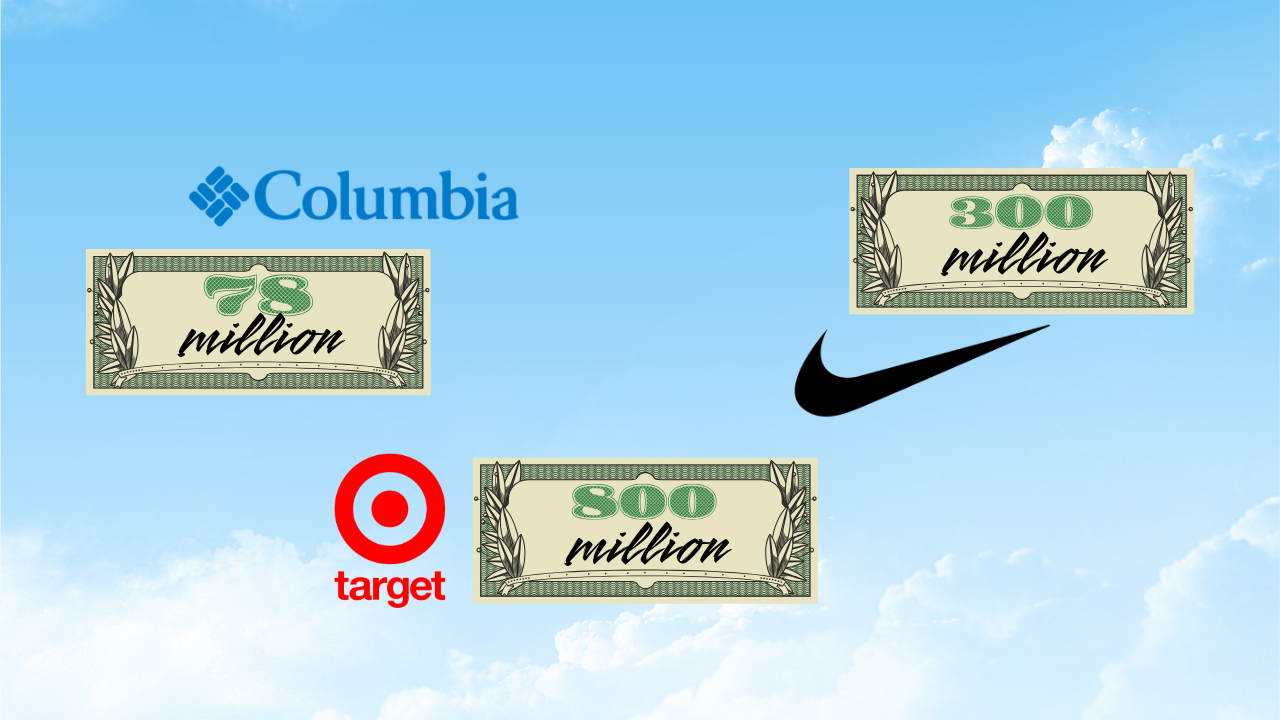
In recent months, many companies have received refunds from the US government to compensate for reduced profits caused by the US tariff hikes, which were struck down in February by the US Supreme Court. Multibillion dollar corporations that have received this compensation include Target (800 million USD), Amazon (600 million USD), Nike (300 million USD), and Columbia Sportswear (78 million USD). None of these companies have shared any information about how their refund will be used to compensate suppliers and workers upstream in their garment supply chain who had to absorb the added cost levied on the importers.
The introduction of the increased tariffs sent shock waves through the garment sector in 2025 and early 2026. Millions of jobs were at risk[1] as brands rapidly shifted their orders, seeking countries with lower rates and creating uncertainty among suppliers and garment workers globally. While most brands have banked consistent profits and are now getting refunds for tariffs they paid, millions of workers have faced serious risks from the tariff turmoil. A report by Business and Human Rights Centre[2] shows how sourcing decisions by apparel companies in response to US tariff uncertainty took a massive toll on a workforce that is already underpaid and stuck in precarious employment. Many brands put existing orders on hold, asked suppliers for price discounts, or tried other approaches to push the negative impact of tariff increases up the supply chain.
Thousands of workers lost their jobs, many without any severance pay or compensation, when hundreds of factories laid off workers. As with most crises, women and migrant workers were hit disproportionately hard: without work, many migrant workers did not have a place to live and, without any work available in garment factories, women were sometimes left with no choice but to engage in even more precarious work[3].
International brands have claimed that they absorbed the tariffs costs on their own, which is refuted by suppliers and workers. Exporters in Bangladesh highlight that many US brands pressured Bangladeshi exporters to share the burden, forcing suppliers to cut prices or agree to discounts to keep the orders flowing. They are now seeking a share of the refunds for the costs they were forced to absorb[4].
Clean Clothes Campaign calls on apparel brands importing to the US to:
Publicly disclose their tariff refunds received from the US government;
Ensure that refunds from the US government reach garment workers and suppliers who have suffered the consequences of US tariffs increases; and
Provide details on what actions they will take to ensure that garment workers are compensated for their share of the tariff burden.
[1] https://www.reuters.com/business/world-at-work/after-us-tariffs-jobs-hang-by-thread-bangladeshs-garments-sector-2025-07-09/ and https://www.business-humanrights.org/en/latest-news/india-over-2-million-jobs-at-risk-due-to-50-us-tariff-impact-on-apparel-textile-industry-wpftc/ and https://www.theguardian.com/global-development/2025/jul/31/theres-no-work-now-just-debt-cambodian-garment-workers-face-precarious-future-as-us-tariffs-loom
[2] https://www.business-humanrights.org/en/from-us/briefings/us-tariffs/
[3] https://www.business-humanrights.org/en/from-us/briefings/us-tariffs/commercial-priorities-human-costs-brand-purchasing-practices-during-the-us-tariff-crisis/
[4] https://www.tbsnews.net/economy/exporters-seek-share-100b-us-tariff-refunds-1511796